Quick answer:
IHOP's official franchise site lists a minimum net worth requirement of \$1.5 million and \$500,000 in liquid assets per domestic restaurant, with a franchise fee of \$40,000 to \$50,000 per location. Total initial investment estimates from independent franchise research sources range roughly from \$1.2 million to over \$6 million depending on the specific program, market, and building format.
Owning an IHOP isn't a side hustle you fund out of savings, this is a serious, multi-million dollar restaurant investment aimed squarely at experienced, well-capitalized operators rather than first-time business owners. Here's what IHOP itself actually requires, based on its official franchise information.
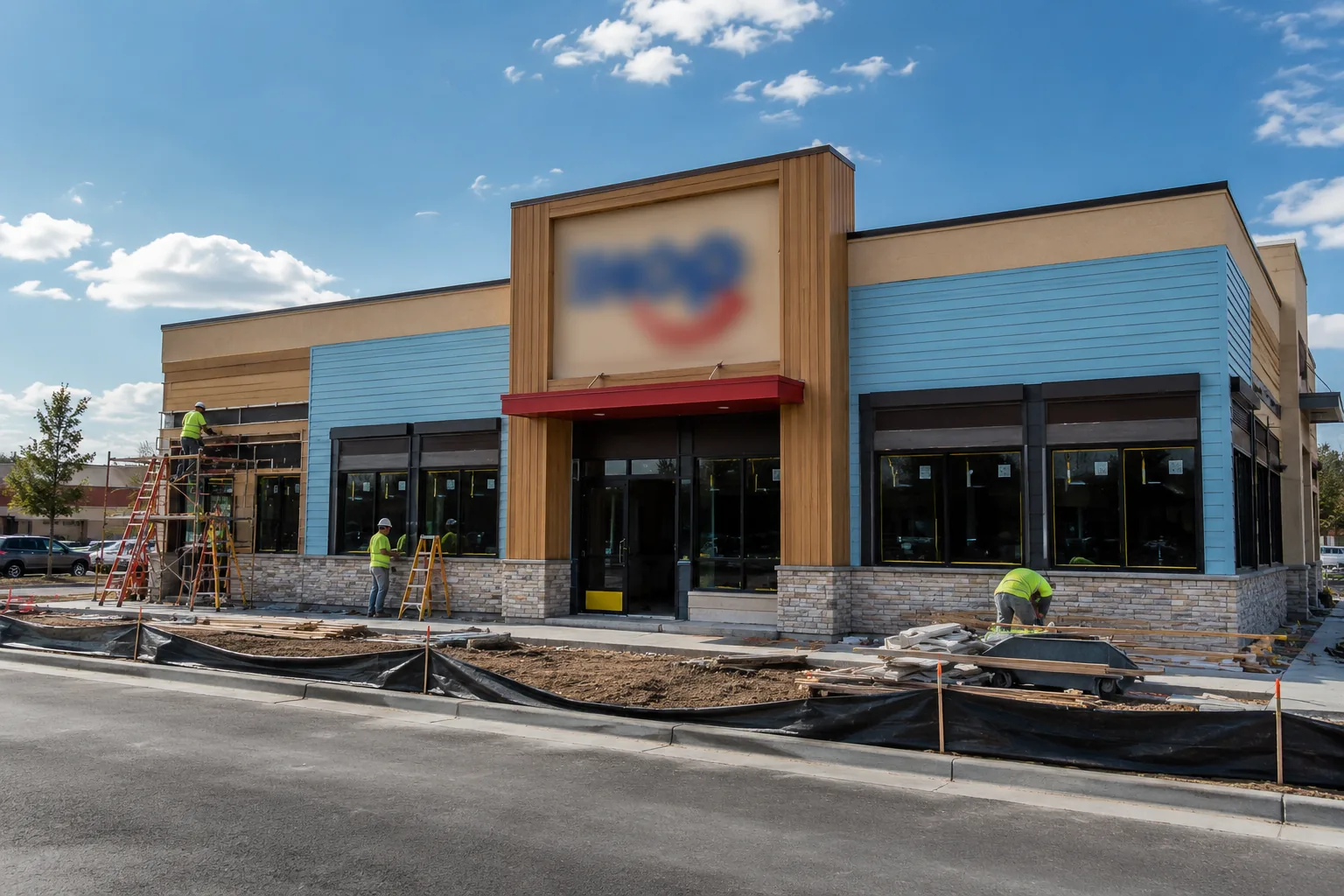
Financial Requirements: What IHOP Asks For
According to IHOP's own franchise development page, domestic franchisees are typically expected to have a minimum net worth of \$1.5 million and at least \$500,000 in liquid assets for each restaurant being built. This isn't a soft suggestion, it's described as a baseline requirement for the kind of multi-unit, well-capitalized operator IHOP says it prefers to partner with. IHOP has also stated it favors candidates who already operate restaurants, ideally under another brand, with proven multi-unit management experience rather than someone opening their first location with no industry background.
The franchise fee itself runs \$40,000 to \$50,000 per restaurant depending on the specific program and source consulted, a relatively small piece of the overall investment compared to construction, equipment, and working capital costs.
IHOP's Total Investment: Why the Range Is So Wide
This is where things get genuinely confusing if you're researching from multiple sources, and it's worth explaining why. Independent franchise research platforms report total initial investment figures ranging anywhere from roughly \$1.2 million on the low end to over \$6 million on the high end, depending on the specific franchise program (traditional, non-traditional formats like travel centers or airports, or the newer dual-brand Applebee's/IHOP concept), the building prototype (freestanding versus inline or conversion), local construction costs, and market-specific real estate prices. A small inline conversion in a lower-cost market lands at the bottom of that range, while a large, freestanding, ground-up build in an expensive market pushes toward the top.
Because these figures come from a mix of sources, Franchise Disclosure Document filings, third-party franchise research firms, and IHOP's own general guidance, and because they update at different times, treat any single number you see online as a starting estimate rather than a precise figure for your specific situation. The official FDD, available directly from IHOP, is the authoritative source for exact current figures.

IHOP's Ongoing Fees: Royalty and Advertising
Beyond the initial investment, franchisees pay ongoing fees as a percentage of gross sales. Domestic royalty fees generally run 4.5% of gross sales, with international locations paying a higher 5.5% rate. On top of royalties, domestic restaurants contribute roughly 1% for national advertising and around 2% for local advertising, while international locations follow a somewhat different structure. These ongoing percentages matter as much as the upfront investment when evaluating long-term profitability, since they apply continuously for as long as the restaurant operates under the IHOP brand.
What Kind of Candidate Is IHOP Looking For?
IHOP has been fairly explicit about this in its own franchise materials: the brand prefers experienced, well-capitalized multi-unit operators, ideally someone already running restaurants under another brand, over first-time restaurant owners. Strong capability in areas like supply chain management, real estate development, and marketing is specifically called out as preferred, along with the financial capacity to develop multiple locations rather than just one. This positions IHOP franchising as a serious expansion opportunity for established restaurant groups more than an entry point for someone exploring business ownership for the first time.
How IHOP's Costs Compare to Similar Chains
IHOP's investment requirements sit toward the higher end of the casual dining sector, largely because it operates as a full-service, seated restaurant with a kitchen line, dining room, and server staffing model rather than a counter-service format. Sister brand Applebee's, also under Dine Brands Global, runs comparable investment levels for similar reasons, full-service dining carries more build-out and staffing complexity than a quick-service concept. Dine Brands has also begun piloting dual-branded Applebee's/IHOP locations, which can affect daypart coverage and overall capital structure differently from a standalone restaurant, an option worth asking about directly if you're evaluating both brands.
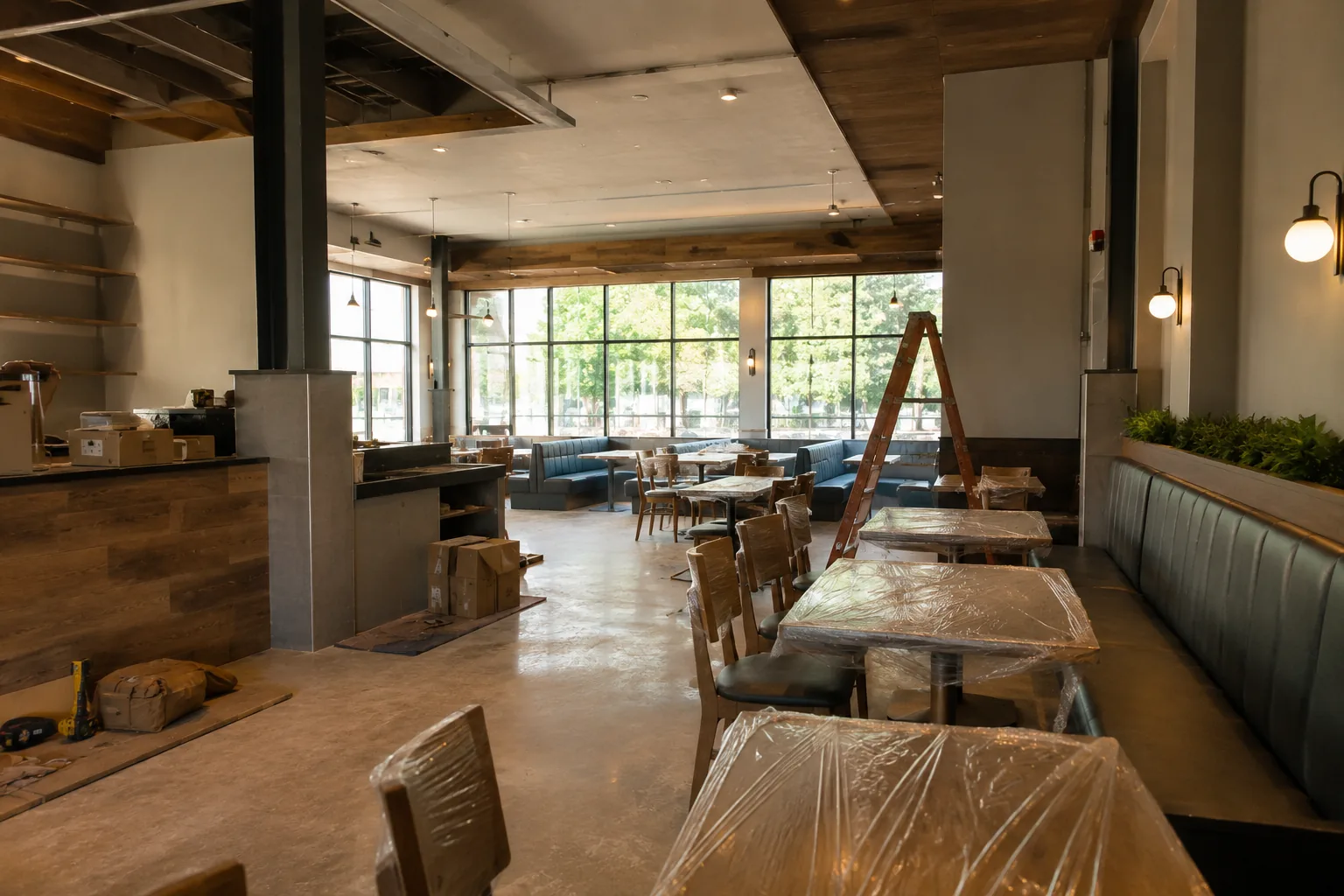
Is an IHOP Franchise a Good Investment?
This isn't something a general guide can answer for you, and it shouldn't try to. Returns vary significantly by location, management quality, local market conditions, and broader economic factors, and IHOP's own FDD typically doesn't include a financial performance representation guaranteeing specific earnings. What a serious prospective franchisee should do is request the current Franchise Disclosure Document directly from IHOP, which legally must include franchisee contact information, and speak with current and former franchise owners about their actual financial experience before committing any capital. Consulting a qualified franchise attorney and financial advisor before signing any agreement is a reasonable and expected step at this investment level, not an optional formality.