Quick answer:
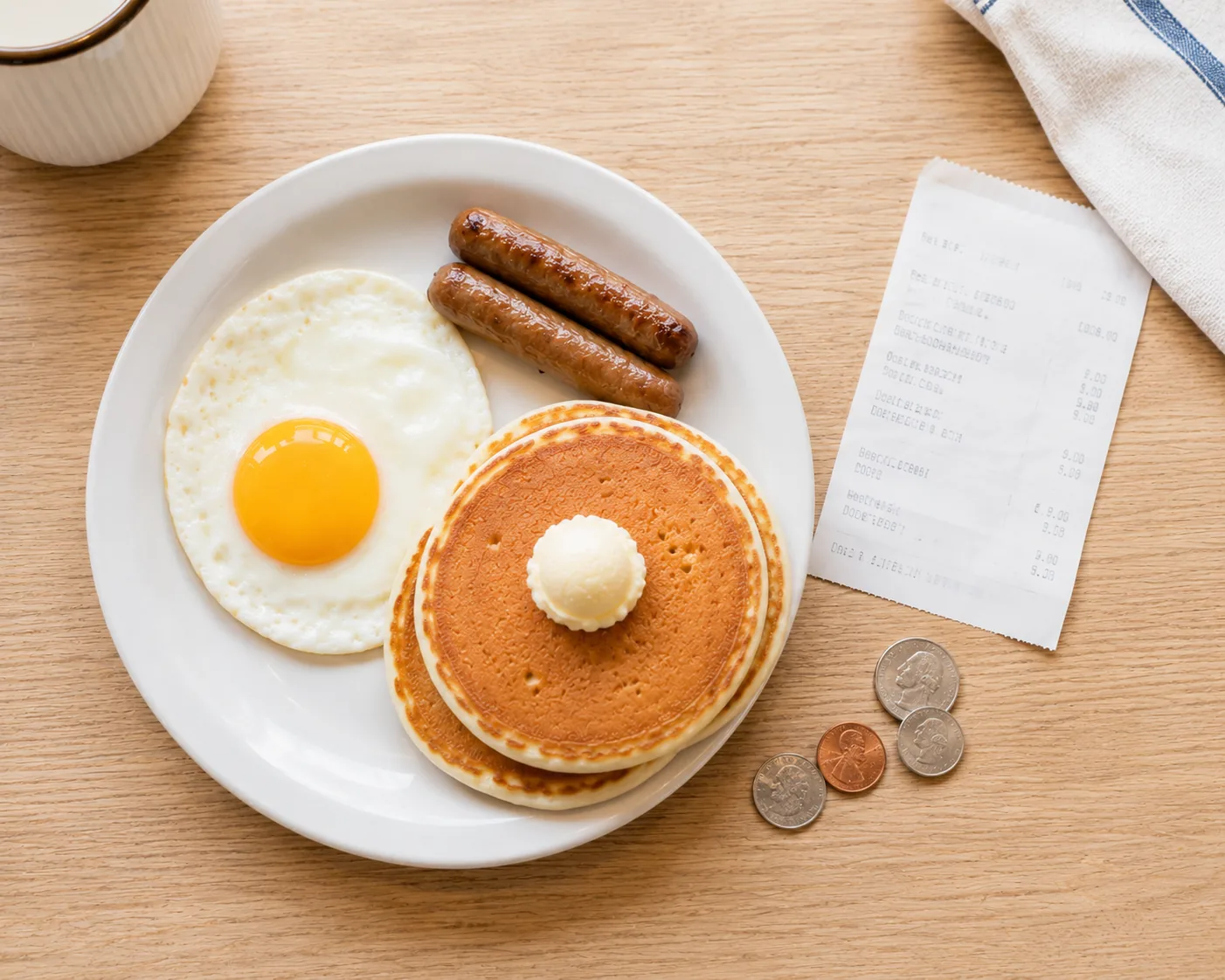
IHOP's Value Menu and \$6 menu items typically run between \$5.99 and \$6.99 per plate, covering smaller versions of popular breakfast items like pancake stacks, egg plates, and simple combos. It's a separate, budget-focused section of the menu, not a discount applied to regular items.
You don't need the big combo platter every time, sometimes you just want a decent breakfast without it eating into your grocery budget for the week. That's exactly the gap IHOP's Value Menu fills, and it's worth knowing what's actually on it before you sit down and default to the expensive combo out of habit.

What Is IHOP's Value Menu?
The Value Menu, sometimes marketed under names like the $6 menu depending on the year and the location, is a curated set of smaller, lower-priced plates built for guests who want a real meal without ordering off the full-size combo section. Whether you call it the $6 value menu or just the $6 menu, it's not leftovers or a downgraded version of the regular menu — it's intentionally portioned smaller from the start, which keeps the price down without making the food feel like an afterthought.
Here's the thing worth understanding: this section of the menu shifts more often than the core breakfast lineup. IHOP adjusts which items sit in the value tier based on ingredient costs and regional pricing strategy, so the exact lineup you see today might look slightly different in six months. The core idea stays consistent though, smaller plate, lower price, still recognizably IHOP.
IHOP Value Menu Prices
| Menu Item | Price | Calories |
|---|---|---|
| 2-Egg Breakfast 2 eggs any style, toast, choice of side | $5.99 | -- |
| Short Stack Pancakes 2 buttermilk pancakes | $5.99 | -- |
| Mini Combo 1 egg, 1 pancake, 1 bacon or sausage | $6.49 | -- |
| Cheese Omelette (small) 2-egg omelette with cheese, no extras | $6.99 | -- |
| Hot Cakes & Sausage 2 pancakes, 2 sausage links | $6.49 | -- |
| Biscuit & Gravy Single biscuit with gravy | $5.49 | -- |
| Single Side Combo 1 side item plus a drink | $5.99 | -- |
Prices and availability may vary by location, and the value tier specifically tends to shift more often than the standard menu, so treat this list as a strong directional guide rather than the final word. Check IHOP's official menu for your specific location to confirm what's currently offered.
Is the IHOP Value Menu Actually Worth It?
For solo diners or anyone eating on a tighter budget, yes, honestly. The portions are smaller than the full combos, but they're not insultingly small, and for someone who just wants eggs and toast without committing to a \$13 plate, this section does exactly what it's supposed to. Where it stops making sense is for bigger appetites or families, since the per-person value actually tilts back toward the regular combo menu once you're hungry enough to want more than a couple of pancakes and a side.
The honest comparison point is the Family Feast or a full combo plate split between two people. If you're genuinely hungry, ordering two Value Menu items often costs close to what one mid-size combo costs, at which point the combo usually wins on quantity per dollar. The math only really favors the value tier when you're ordering for one person who isn't planning to skip lunch afterward, or when you're rounding out a bigger group order with a couple of smaller plates for the lighter eaters at the table.
How the \$6 Menu Differs from the Regular Menu
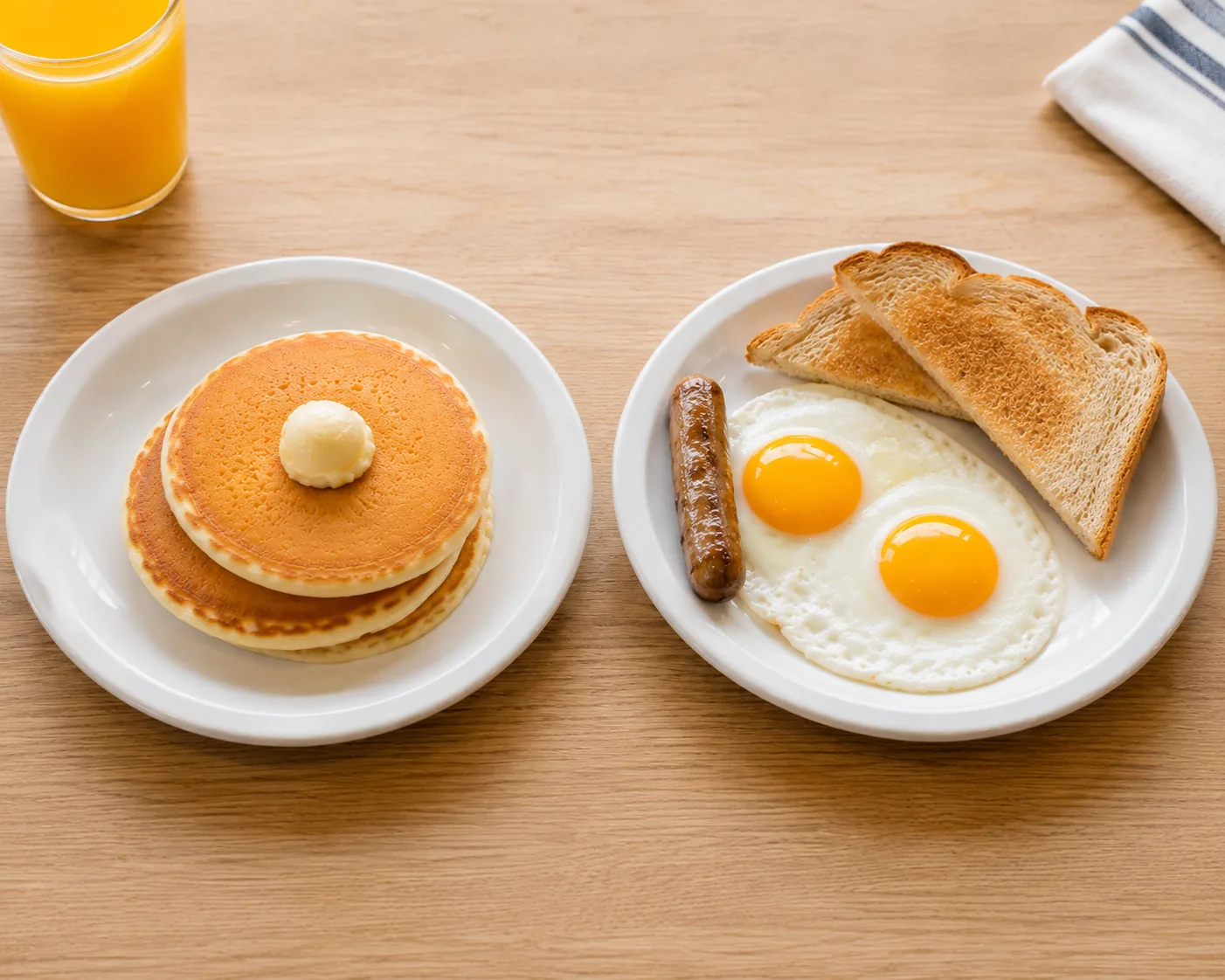
The main difference isn't ingredient quality, it's portion size and plate composition. A regular 2x2x2 Combo gives you two of each component, while the Mini Combo on the value tier trims that down to one of each. The eggs are the same eggs, the pancakes are the same recipe, you're just getting less of it for less money. That's a meaningful distinction from chains that sometimes swap in cheaper ingredients for their value-tier items, IHOP generally doesn't do that here.
One thing worth knowing if you're ordering for a group: value menu items don't always show up on every printed menu insert, especially at locations that recently updated their boards. If you don't see it listed, ask your server directly, since the value tier is often still available even when it's not prominently displayed.
When the Value Menu Makes the Most Sense
- Solo breakfast on a weekday morning when you want something real but don't need to be full for six hours
- Ordering for a child who's slightly too old for the kids menu but doesn't need an adult portion either
- Stopping in for a quick bite between errands, when speed and cost both matter more than maximizing food quantity
- Pairing with a side order from another section to build a slightly bigger meal at a controlled total price
How It Compares to Other Chains' Value Menus
IHOP isn't alone in running a budget tier, most casual breakfast chains keep something similar around for the same reason: not every customer wants or needs a full combo plate. Denny's runs its own value-priced section, often in a similar \$5 to \$7 range, built around comparable smaller egg and pancake plates. Waffle House takes a slightly different approach, since its core menu is already cheaper across the board, so a dedicated "value tier" matters less there, you can order almost anything on the regular menu and still land in a similar price range.
What sets IHOP's version apart a little is the pancake-forward lean. Where Denny's value items spread fairly evenly across eggs, pancakes, and the occasional sandwich, IHOP's value tier leans on its strongest asset, smaller pancake plates that still deliver the flavor people specifically came in for. If pancakes are the actual craving driving the visit, that's a meaningful difference, not just a marketing detail.